Sweat Elite Podcast
Lose Fat, Keep Healthy, Run Faster w/ Jordan Sullivan
1h 24m
Jordan Sullivan, The Fight Dietitian, joins Matt to break down performance-focused weight loss, RED-S, marathon fueling and how endurance athletes can get lighter without sacrificing training quality.
Jordan Sullivan / The Fight Dietitian
Website: https://thefightdietitian.com/
Instagram: https://www.instagram.com/the_fightdietitian/
Matt Fox / Sweat Elite
Coaching: https://www.sweatelitecoaching.com/matt-fox/
Instagram: https://www.instagram.com/mattinglisfox/
Strava: https://www.strava.com/athletes/6248359
YouTube: https://www.youtube.com/@SweatElite
Sweat Elite: https://www.sweatelite.co/
Sweat Elite Instagram: https://www.instagram.com/sweatelite/
Contact: matt@sweatelite.co
In this episode, Jordan and Matt dive into one of the most debated topics in endurance sport - losing weight while training hard. Jordan has spent more than a decade working with elite athletes across combat sports, endurance events and other high-performance environments, helping athletes manipulate body composition while maintaining performance.
They discuss RED-S, low energy availability and why the intensity and duration of a calorie deficit matter. Jordan explains why training status is an important part of the equation, how quickly athletes can realistically lose weight, and why Garmin, WHOOP and other wearable calorie estimates should not be treated as exact measurements.
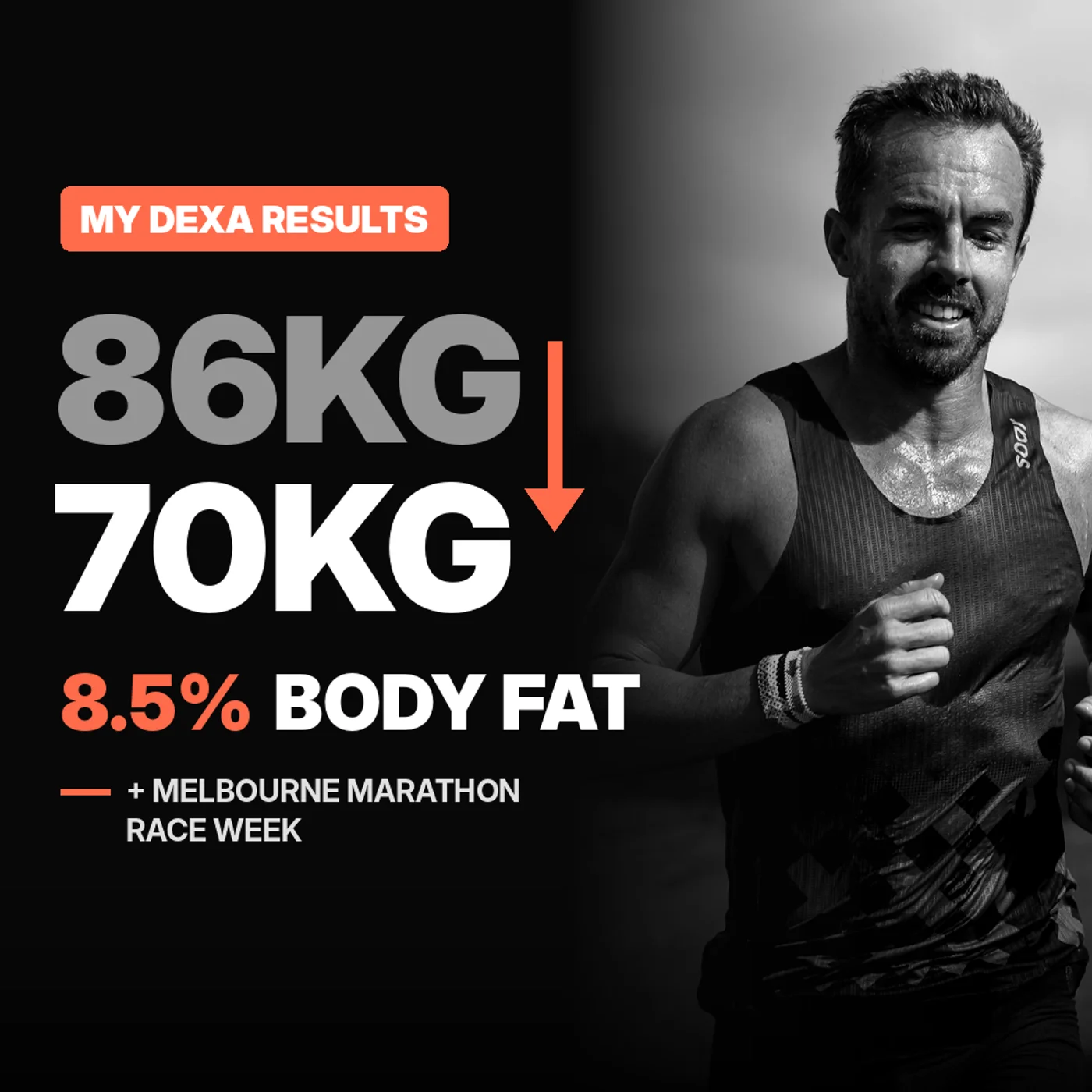
They also explore what happens to muscle during a calorie deficit, the roles of protein and resistance training, and what changes when an already-lean athlete tries to become even lighter. Jordan and Matt discuss Matt's own progression from around 74 kg toward 69 kg, and the longer-term possibility of experimenting closer to 65 kg while trying to determine where further weight loss stops improving marathon performance.
A major part of the conversation focuses on fueling marathon training while losing weight. They discuss periodizing calorie and carbohydrate intake around important sessions, why harder running dramatically increases carbohydrate requirements, fueling long runs, post-workout glycogen restoration and why an athlete's fitness remains more important than simply consuming more fuel.
Jordan also explains why blanket recommendations such as 60-90 g or 120 g of carbohydrate per hour may not be optimal for everyone. Individual carbohydrate oxidation rates, gut tolerance and training history can all influence how much carbohydrate an athlete can actually use. They finish with bone health, practical carbohydrate choices including white rice, bread, fruit and honey, and why developing good whole-food habits remains important for long-term health.
Timestamps
00:00 Meet Jordan Sullivan
00:05 Weight Loss During Training
00:40 Why Calories In Out Fails
04:28 RED-S Risk And Nuance
06:12 Diagnosing RED-S Limits
07:13 Intensity Versus Duration
08:04 Fight Camp Case Study
12:53 Performance Versus Health
14:17 Setting A Marathon Cut
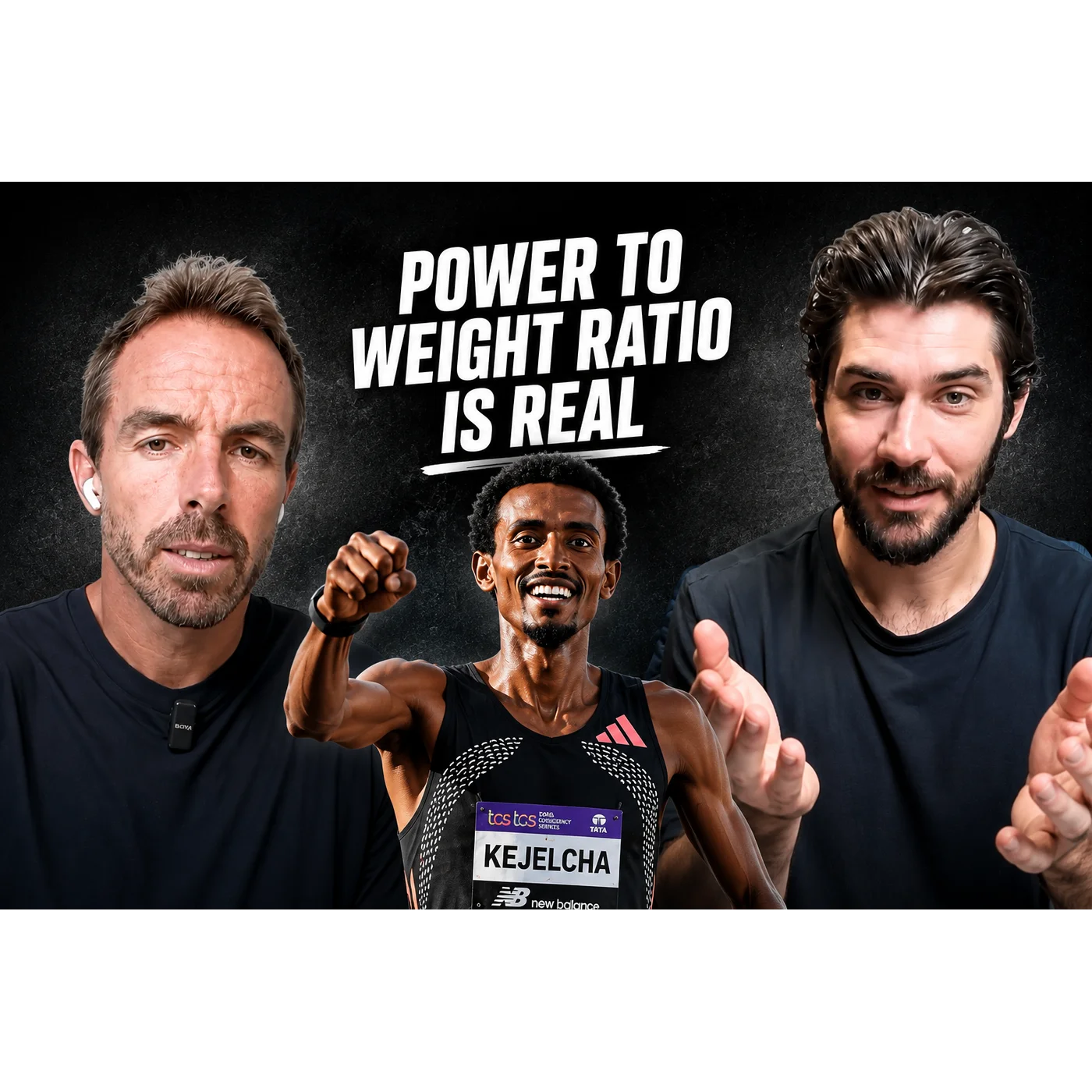
16:20 Power To Weight Explained
20:24 Fueling And Periodization
24:46 Estimating Calorie Burn
27:06 Safe Weekly Loss Targets
33:32 Muscle Loss In A Deficit
38:15 Going Leaner 69 To 65
43:22 When To Cut In Marathon Block
44:11 Race Prep Weight Loss
45:25 Training Status Matters
53:11 Fueling Long Runs
54:31 Carbs Versus Fitness
01:02:56 Intensity Drives Carb Use
01:08:10 Personal Carb Oxidation
01:14:24 Bone Health Basics
01:16:39 Best Carb Food Choices
01:20:15 Whole Foods For Longevity
01:23:35 Wrap Up And Contacts